
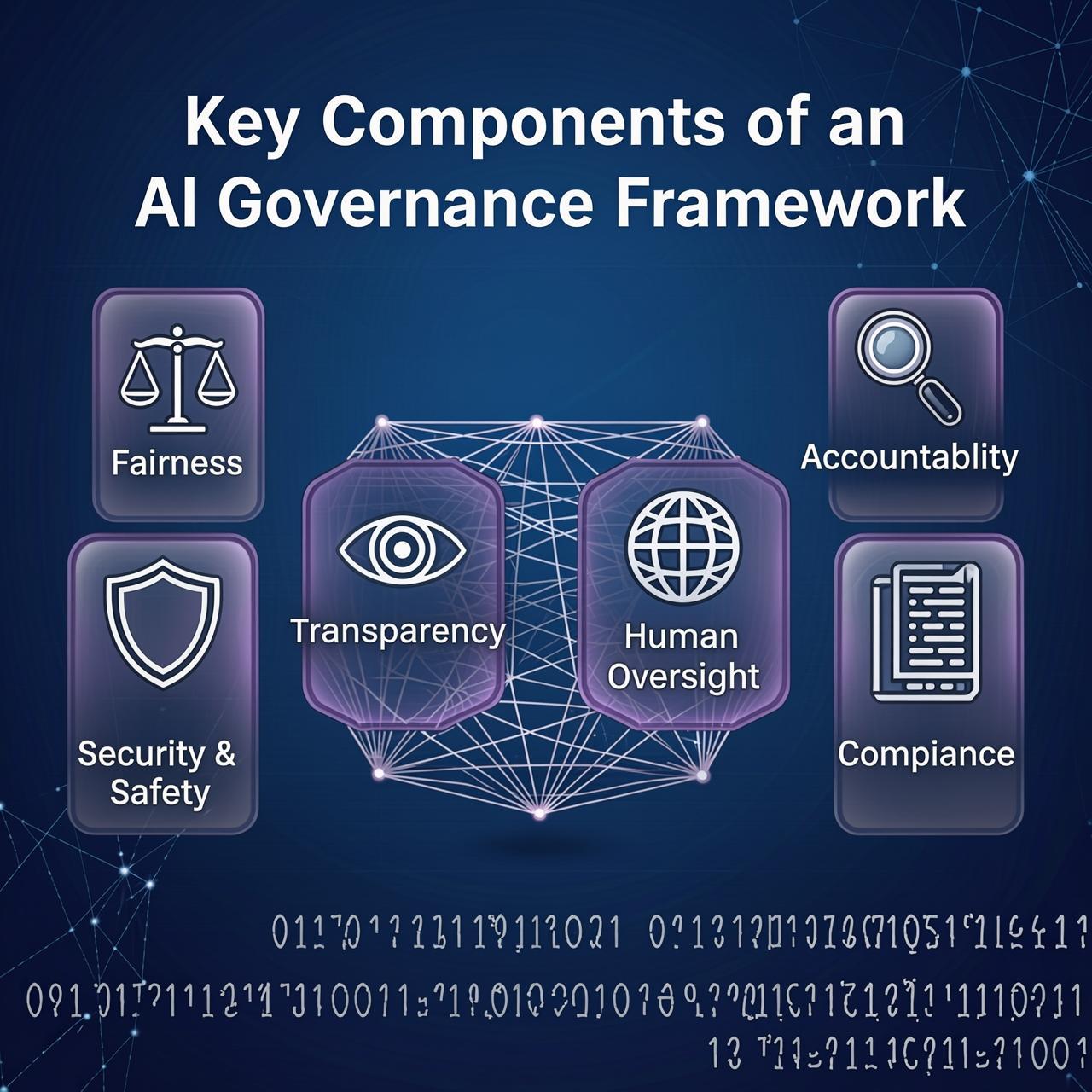
Did you know that over 70% of organizations deploying artificial intelligence systems lack a formal ai governance framework? This surprising reality exposes a major gap in how we manage and trust cutting-edge technologies. In this guide, you’ll uncover why a robust ethical ai governance strategy isn’t just necessary—it’s urgent for any business that wants to succeed in our rapidly changing tech landscape.

Unveiling the Need for Ethical AI Governance: A Surprising Reality
Many organizations excitedly adopt artificial intelligence (AI) solutions, but surprisingly few have structured policies or frameworks for guiding their use. Without ethical ai governance, businesses face rising ai risk—from data misuse to unintended bias and lack of transparency. These risks can damage customer trust, lead to regulatory penalties, and even stifle innovation. Establishing a clear ai governance framework is no longer just “nice to have”; it is essential for meeting public expectations, ensuring legal compliance, and unlocking the full promise of responsible ai. By proactively developing an ethical ai governance approach, organizations like Veracity AI LLC ensure their ai systems deliver real value while minimizing harm. This commitment promotes accountability, supports fair outcomes, and fortifies your brand’s reputation. In the following sections, discover exactly how to build, implement, and continuously improve an ethical ai governance framework that empowers both your technology and your people.
What You’ll Learn About Ethical AI Governance
- The fundamentals of ethical ai governance and how they apply to ai systems
- Core pillars and principles underpinning responsible ai frameworks
- Global regulatory trends such as the EU AI Act
- Practical risk management tactics for ai development
- Actionable strategies for organizations like Veracity AI LLC
Understanding Ethical AI Governance and Its Role in Artificial Intelligence
What is ethical AI governance?
Ethical ai governance means building a system of rules, checks, and values that guide how ai systems are designed, developed, and deployed. It is a crucial part of modern ai governance because it helps ensure technology choices are always guided by ethical standards, not just profit or efficiency. Organizations like Veracity AI LLC use ethical ai governance to align technology decisions with societal and legal expectations while promoting transparency, accountability, and responsible ai development. This includes establishing clear policies, setting ethical boundaries, and being open about how decisions are made within ai frameworks, so both users and stakeholders feel confident in the results.

Why is ethical ai governance essential for ai systems and modern organizations?
The need for ethical ai governance goes far beyond risk avoidance. With AI touching nearly every part of our lives, organizations must balance innovation with duty. Without a robust governance framework, ai systems risk perpetuating bias, creating accountability gaps, and eroding trust. On the other hand, a well-implemented framework sets standards, manages risks, and unlocks new opportunities for responsible ai. It allows companies to quickly respond to evolving regulations like the EU AI Act, builds customer loyalty, and establishes a sustainable foundation for future ai technologies. For Veracity AI LLC, effective ethical ai governance is a direct driver of both compliance and competitive advantage.
Core Elements of an Ethical AI Governance Framework
Pillar 1: Transparency & Accountability in AI Governance
- Ensuring decision traceability in ai systems
- Establishing audit trails
- Promoting transparent reporting to regulators and users
“Transparency builds trust, and in ai governance, trust is paramount.” — Ethics Lead, Veracity AI LLC
Transparency is all about being open about how ai systems make decisions and who is responsible when things go wrong. Accountability means every action or output from an ai system can be traced back to a human or process, making it possible to correct errors and build lasting trust. For example, maintaining audit trails and clear documentation ensures a company can prove compliance with evolving ai regulation such as the EU AI Act. With Veracity AI LLC’s approach, transparency is a priority at every step—from data acquisition to user-facing AI. This openness helps users and stakeholders understand, trust, and embrace AI with confidence.
Pillar 2: Responsible AI and Ethical AI Development Practices

- Embedding ethical ai considerations in all stages of ai development
- Adhering to robust ai ethics guidelines
- Aligning strategy with societal values
Responsible ai development means thinking about ethics at every step—from designing a feature, to selecting training data, to rolling out updates. It means following strict ai ethics rules, listening to diverse perspectives, and making sure your ai practices don’t just meet legal requirements but also reflect your organization’s values. For Veracity AI LLC, embedding ethics in code, policies, and ongoing practices means smarter, safer ai frameworks that people can trust.
Pillar 3: Robust Risk Management for AI Systems

- Comprehensive ai risk assessments
- Implementing technical & procedural ai risk management
- Monitoring ai technologies for emergent risks
“A robust risk management culture protects both organizations and society from unintended harms.” – Chief Risk Officer, Veracity AI LLC
AI risk management is more than just identifying what could go wrong—it’s about building systems that are ready to handle the unexpected. Effective frameworks use ongoing risk assessments and embedded safeguards, such as internal audits and scenario testing, to spot vulnerabilities early. By using these strategies, Veracity AI LLC maintains high resilience against everything from security breaches to algorithmic bias—while keeping pace with new ai regulations. This proactive approach ensures both safety and compliance in every ai model.
Pillar 4: Compliant AI Regulation and Governance Frameworks
- Navigating the EU AI Act and global ai regulations
- Ensuring up-to-date compliance with evolving international frameworks
- Scenario-based testing for regulatory readiness
Global ai regulations are evolving fast—think the EU AI Act, the UK’s upcoming rules, and new U. S. guidelines. Building compliance into your governance framework is critical for every business, especially as regulators demand clear proof of responsible practices. Veracity AI LLC stays ahead by constantly monitoring laws, scenario-testing AI systems, and updating policies as the legal landscape evolves. This diligence helps organizations avoid fines, sustain ethical standards, and become leaders in ai governance worldwide.
Pillar 5: Continuous Improvement in AI Governance Frameworks
- Feedback loops with stakeholders
- Iterative reviews of organizational ai strategy
- Staying proactive on changes in ai regulation
The most resilient ai governance frameworks are always evolving. Veracity AI LLC uses feedback from users, employees, and regulators to review and refine its ai frameworks frequently. Embracing flexibility means organizations aren’t caught off guard by a sudden change in ai regulation or a new risk in emerging technologies. Iterative reviews keep standards high, and proactive adaptation supports both compliance and ethical innovation.
How Does Ethical AI Governance Enable Responsible AI?
Alignment with Core AI Ethics Principles
- Fairness
- Privacy
- Inclusivity
- Explainability

“Ethical AI governance ensures all ai technologies serve humanity’s best interests.” – Director of AI Policy, Veracity AI LLC
Robust ethical ai governance guarantees that AI solutions are not only innovative but also fair, transparent, private by design, and inclusive. Each element—fairness, privacy, inclusivity, and explainability—must be built into ai systems from the ground up. Whether developing algorithms, managing training data, or drafting policies, these principles guide Veracity AI LLC to avoid bias, ensure that AI works for all, and create an explainable path users can trust. It’s this holistic approach that transforms ai governance from theory into practice.
Examples of AI Governance in Action
- Veracity AI LLC’s deployment of real-time ai system audit logs
- Automatic compliance reporting
- Internal ai framework review sessions

| Comparison of Key Components in AI Governance Frameworks | ||
| Principle | Implementation | Compliance Checklist |
|---|---|---|
| Transparency & Accountability | Traceable decision logs, published audit trails | Accessible documentationActive audit processes |
| Responsible & Ethical AI Development | Embedded ethics reviews during ai development | Ethics checklist for each releaseDocumented value alignment |
| Risk Management | Constant risk analysis, scenario testing, formal mitigation plans | Regular risk auditsIncident response templates |
| Regulatory Compliance | Monitoring ai regulation, compliance reporting, training | Review of new laws (such as eu ai act)Staff compliance certifications |
| Continuous Improvement | Ongoing policy review, feedback loops, update practices proactively | Annual framework reviewsStakeholder engagement surveys |
Watch: Panel discussion: How ethical ai governance addresses ai riskand ai regulationchallenges
What is Ethical AI Governance? (People Also Ask)
Ethical ai governance refers to the system of principles, policies, standards, and oversight mechanisms ensuring ai systems are accountable, transparent, and aligned with societal and legal norms. It blends technical controls, clear policies, and a culture of responsibility to ensure that all artificial intelligence decisions are understandable, fair, and trustworthy. Organizations like Veracity AI LLC use ethical ai governance frameworks to embed these values in every layer of their technology—from the data they use to the results they deliver.

What are the 4 Pillars of Ethical AI? (People Also Ask)
The four pillars commonly cited in ethical AI are transparency, accountability, fairness, and privacy. Together, these elements ensure any ai governance framework focuses on doing what’s right at every stage of ai development. By making these pillars central, organizations like Veracity AI LLC can better manage ai risk and align with both ai ethics and global ai regulations.
What are the 5 Principles of Ethical AI? (People Also Ask)
The 5 core principles driving ethical ai governance are: fairness, transparency, privacy, accountability, and inclusivity. These guiding principles help organizations, such as Veracity AI LLC, design and implement robust ai frameworks that consistently prioritize ethics, quality, and compliance.

What are the Five Pillars of AI Governance? (People Also Ask)
The five pillars include: 1) Transparency & Accountability, 2) Responsible & Ethical AI Development, 3) Risk Management, 4) Regulatory Compliance, and 5) Continuous Improvement. Each of these areas supports strong ai governance frameworks and plays a vital role in ensuring safe, effective, and trustworthy ai systems.
Implementation of an AI Governance Framework: Pathways and Best Practices
Step-by-Step Approach to Ethical AI Governance
- Assess organizational maturity in ai frameworks
- Set up governance structures (committees, roles)
- Develop and formalize policies for ethical ai and responsible ai
- Deploy technical controls & audit mechanisms
- Foster a culture of accountability

“Effective ethical ai governance is a journey, not a destination. It requires organizational commitment and adaptive thinking.” — Policy Advisor, Veracity AI LLC
The path toward strong ethical ai governance starts with a readiness check—measuring where your ai framework stands against best practices and regulatory expectations. Form committees to oversee compliance and empower cross-functional teamwork. Craft clear policies and align them with ai ethics and the organization’s values. Technical controls like automated audit logs and regular risk reviews strengthen your proactive defenses, while ongoing training and open communication promote a responsible culture. With these steps, Veracity AI LLC fosters continuous adaptation and a resilient governance framework.
Case Studies: Ethical AI Governance at Veracity AI LLC
- Real-world policy implementation
- Cross-functional ai governance councils
- Lessons learned from regulatory audits

Veracity AI LLC offers inspiring examples of ethical ai governance done right. Real-world case studies include launching policies company-wide, establishing councils to monitor ongoing compliance, and successfully passing tough regulatory audits. Each experience highlights lessons in collaboration, the importance of clear roles, and the need for ongoing education—all vital for an effective ai governance framework.
Global Trends and the Future of Ethical AI Governance
Impact of AI Regulation such as the EU AI Act
- Key changes in global compliance
- Preparing for future legislation
- Veracity AI LLC’s proactive regulatory approach
The introduction of sweeping laws like the EU AI Act marks a turning point for ai governance worldwide. Businesses must now demonstrate not just ethical ai development but also robust documentation, risk management, and real-time compliance processes. Veracity AI LLC is staying ahead by collaborating with policymakers, updating frameworks for new ai regulations, and championing responsible leadership. This adaptive approach keeps organizations prepared for whatever the future of ai regulation brings.
Evolving AI Ethics and Organizational Strategies
- Emerging ethical frameworks
- Stakeholder collaboration
- Role of leadership in changing landscapes
Ethical thinking isn’t static—it grows as society, technology, and regulations change. Top organizations like Veracity AI LLC embrace collaboration across departments, industries, and communities to build resilient ai practices. Engaged leadership and continuous dialogue allow companies to proactively adjust ai strategies and remain at the forefront of global ai governance trends, ensuring lasting value for everyone the technology touches.
Watch:Animated explainer: Anticipating compliance challenges in future ai governance
Frequently Asked Questions on Ethical AI Governance
- How can organizations ensure ai systems remain ethical under evolving regulations?
Continuous review, real-time monitoring, and staff training keep ai governance frameworks up-to-date and aligned with the latest legal and ethical standards. Automation and transparent audit logs are key. - What’s the difference between ethical ai, responsible ai, and ai governance?
Ethical ai is value-driven, ensuring fairness and justice. Responsible ai is action-based, embedding accountability in decisions. Ai governance is the overall policy and structure tying these together for effective oversight. - How often should ai governance frameworks be updated?
At a minimum, frameworks should be reviewed annually and updated as soon as significant regulatory, societal, or technical changes occur. - What training is required for staff on ai governance?
Teams should get regular, tailored training on current laws, ethical standards, new ai technologies, and risk management methods to ensure safe and successful ai practices.
Key Takeaways For Building Ethical AI Governance Frameworks
- Ethical ai governance builds organizational trust and drives sustainable innovation
- Frameworks should be adaptive, not one-size-fits-all
- Continuous improvement is essential for risk resilience

Ready to Strengthen Your Ethical AI Governance?
Contact Veracity AI LLC to develop a customized ethical ai governance framework and ensure your ai systems are secure, transparent, and compliant with the latest global standards.
Leave a Reply