
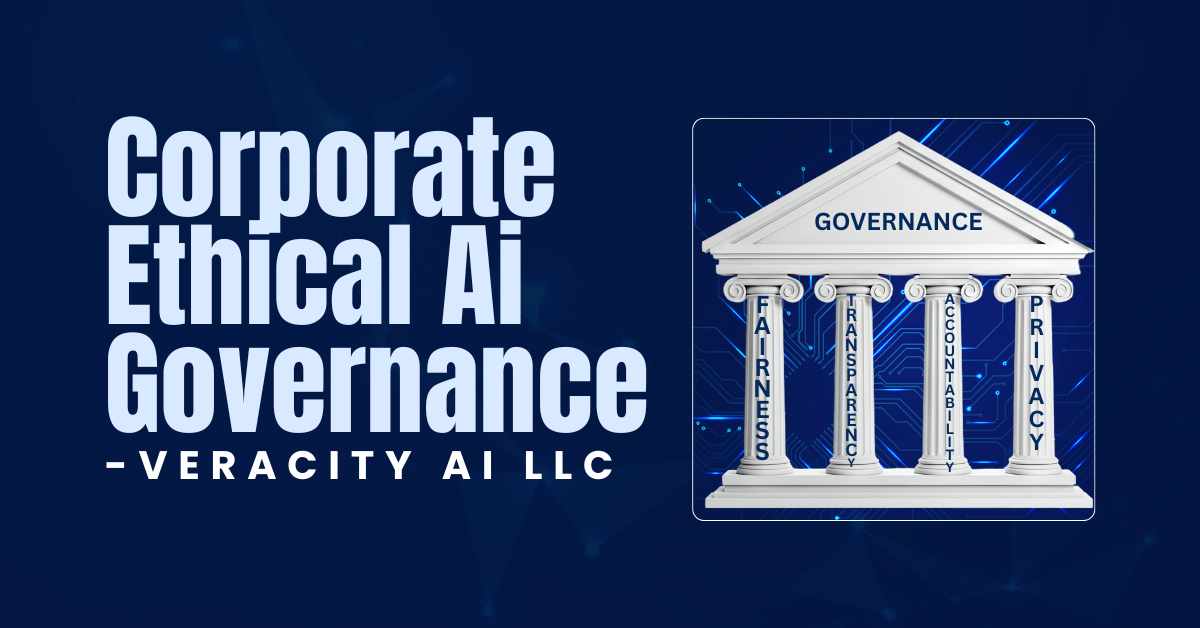
Did you know? Many enterprises admit to lacking clear AI governance frameworks, exposing them to ethical, legal, and reputational risks. As artificial intelligence transforms industries at breakneck speed, the urgent need for comprehensive ethical AI governance has never been clearer. In this guide, you’ll discover why robust governance is imperative—and how your organization can build systems that ensure trust, compliance, and innovation in every AI system you deploy.
Why Ethical AI Governance Matters Now

“Many enterprises admit to lacking clear AI governance frameworks, exposing them to ethical, legal, and reputational risks.”
Organizations worldwide are accelerating their adoption of artificial intelligence tools and AI systems, leveraging the technology for competitive advantage. But with rapid AI development comes increased risk—if not properly governed, AI can amplify biases, make obscure decisions, or even breach data privacy standards. Most leaders now realize: overlooking ethical AI governance can threaten long-term trust, invite regulatory scrutiny, and result in significant harm to reputation and operations.
As more businesses embed AI into critical processes, a robust governance framework isn’t just a best practice—it’s a necessity. Effective frameworks help organizations ensure that AI is developed, deployed, and managed responsibly, aligning with both internal values and external regulations. This proactive approach not only minimizes AI risk but also positions companies as trustworthy innovators in a landscape increasingly shaped by AI regulations.
What’s in This Guide
- Comprehensive understanding of ethical AI governance and its significance
- Key elements and principles of AI governance frameworks
- Best practices for implementing responsible AI and risk management
- Insights into global AI regulations
- Actionable steps for organizations seeking robust AI governance
What Is Ethical AI Governance?

What is Ethical AI Governance?
Ethical AI governance means creating rules and processes to ensure AI systems are fair, transparent, and safe. It involves setting up policies so that AI respects human values and operates within ethical limits. An AI governance framework provides the structures for decision-making, responsibility, and oversight throughout the entire lifecycle of AI development. This helps organizations manage risks tied to bias, privacy, and explainability—making sure AI decisions can be understood and trusted.
Essentially, ethical AI governance is not just about following laws, but about doing what’s right when designing and running AI tools. It’s how leaders ensure that machine learning, data protection, and AI ethics are not mere afterthoughts, but foundational principles for every AI system. In short, an organization needs ethical AI governance to ensure that AI helps people, rather than causes harm.
Why is AI Governance Essential for Modern Organizations?
Modern organizations rely on AI systems across operations—from automating processes to providing insights for better decision-making. Without solid AI governance frameworks, these systems might not comply with rules, might be biased, or might even harm individuals by making unfair choices. Since artificial intelligence learns from data, mistakes in training data can lead to serious consequences, raising concerns about data quality and privacy.
Because regulations like the AI Act or regional regulatory frameworks are evolving fast, companies face tough rules around how data is used. With AI governance, organizations can spot risks early, explain their AI decisions, and demonstrate commitment to responsible AI practices. This builds trust with customers, regulators, and investors—helping organizations both innovate and remain compliant.
Core Framework Elements
- Transparency: Ensuring that AI models are open and understandable, so stakeholders can see how decisions are made.
- Accountability: Making clear who is responsible for the operation and outcomes of each AI system.
- Fairness and Bias Mitigation: Preventing unfair treatment or discrimination in AI-driven decisions through rigorous checks.
- Continuous Monitoring: Regularly examining AI for new risks, errors, or shifts in performance to guarantee ongoing ethical compliance.
How AI Governance Has Evolved
From Simple AI Systems to Complex Ecosystems

Long ago, organizations used basic AI tools for simple tasks. Today, AI is everywhere—in healthcare, finance, and education—forming intricate webs of connected AI systems. As a result, managing these AI systems demands much more than ad hoc rules. It requires comprehensive AI governance frameworks that adapt as technology advances. Teams now face challenges not only with day-to-day operations, but also with strategic oversight, ethical standards, and global AI regulation compliance.
As organizations expand from one-off models to large-scale AI ecosystems, the risks multiply: a mistake in one system can ripple through many others. Thus, investing in robust governance frameworks ensures that rapid AI development doesn’t outpace safety, fairness, or compliance. Ultimately, the evolution from simple automation tools to entire AI systems has made structured oversight critical—not optional.
Governance in AI Development
A well-designed governance framework acts like a roadmap throughout the AI development journey. It clarifies goals, tracks progress, and sets checks at every step—from choosing the right training data to monitoring final system outcomes. This ensures that AI is built to meet ethical standards while also being secure and reliable. Moreover, it aligns every member of the organization on common values, so everyone knows the expectations and limits when working with new AI technologies.
With a strong AI governance framework, companies can spot data privacy issues, systemic bias, or unwanted shifts in model performance before they cause damage. This means greater accountability, less risk, and smoother regulatory compliance. More importantly, governance frameworks foster a culture of responsible AI, guiding innovation with clarity and confidence.
Why Adoption Is Critical

Choosing to implement a comprehensive AI governance framework signals a commitment to responsible AI. This is especially important as regulatory agencies worldwide move to enforce tighter controls on AI systems. Failure to adopt clear frameworks puts organizations at risk for legal penalties, as well as public backlash when failures or harmful outcomes occur.
A strong AI governance framework helps organizations clearly define roles, responsibilities, and procedures when deploying or updating AI systems. It provides the structure needed for regular reviews, transparency in decision-making, robust risk management practices, and ongoing compliance. Organizations that prioritize governance will find it easier to adapt as new standards emerge, building a reputation for ethical, trustworthy AI development.
Key Principles of Ethical AI
What are the 4 pillars of ethical AI?
The 4 pillars of ethical AI serve as the foundation for all trustworthy AI systems. They are:
| Overview of the 4 Pillars of Ethical AI | |
| Pillar | Description |
|---|---|
| Transparency | Openly sharing how AI decisions are made and what data is used, so stakeholders can understand and trust AI systems. |
| Accountability | Clear lines of responsibility for AI development, deployment, and management, ensuring someone is answerable for problems. |
| Fairness | Ensuring AI outcomes are unbiased and treat everyone equally, avoiding discrimination from hidden biases in training data. |
| Human-Centric Focus | Placing human well-being at the heart of AI practices—all systems must help, not harm, people. |
The 8 Principles of AI Governance
The 8 principles of AI governance guide organizations to create safe, inclusive, and future-ready AI. These include:
| AI Governance Principles Matrix | |
| Principle | Description |
|---|---|
| Inclusiveness | Engaging diverse stakeholders for a broad range of perspectives in AI development. |
| Transparency | Clear communication about AI logic, data sources, and limitations. |
| Accountability | Defined ownership and oversight for every stage of the AI lifecycle. |
| Fairness | Ensuring just and equal outcomes, free from embedded prejudice. |
| Privacy & Data Protection | Respecting individuals’ data rights through strong safeguards and auditability. |
| Safety & Security | Actively managing AI risk of harm or misuse through preventative controls. |
| Continuous Monitoring | Ongoing review and risk assessment throughout the AI system’s life. |
| Sustainability | Ensuring AI development aligns with long-term societal goals and responsible resource use. |
“Strong ethical AI governance is not just a regulatory checkbox, but a moral imperative.”
Building Your Governance Framework
Building Blocks for Risk Management

Risk management is essential for every organization that uses AI systems. A solid AI risk management strategy starts with identifying potential problems before they happen—such as bias in training data or vulnerabilities that could put data privacy at risk. It continues with crafting policies for regular audits, setting up alarms for anomalies, and maintaining robust documentation for all AI development processes.
Key building blocks include transparency in design, accountable record-keeping, and enforcing continuous monitoring, which means checking for issues even after the model is live. In this way, leaders can respond quickly if anything goes wrong, keep up with changing regulations, and maintain public trust in their AI practices. By focusing on these fundamentals, organizations create an environment where responsible AI can flourish while protecting stakeholders.
Integrating Governance into Development
- Pre-deployment risk assessments
- Ongoing continuous monitoring
- Incident reporting procedures
- Stakeholder engagement
Integrating governance means more than putting rules on paper. It requires participatory processes where all voices are heard—from technology teams to legal, compliance to end-users. Pre-deployment risk assessments help spot ethical or safety issues before AI systems go live. Monitoring continues after deployment, using automated alerts and manual checks to track shifts in model behavior.
Clear incident reporting gives everyone a way to say if something seems wrong, while engaging stakeholders ensures solutions are socially acceptable and aligned with the organization’s values. By weaving these practices into the fabric of model development and delivery, organizations set a high standard for ethical AI governance—today and into the future.
Global AI Regulation
Understanding the AI Act and International AI Regulations

As AI becomes more common, governments have introduced strict laws and standards. The AI Act in the EU sets global trends for everything from data handling to transparency and user rights. The US and Asia have also created strong regulatory frameworks, each with unique focus areas, including safety and fairness. Navigating these differences is critical for any organization building or using AI systems across borders.
Organizations should review the AI regulations relevant to their region and sector, aligning internal policies to international standards. This might involve data localization requirements, regular compliance reviews, and adapting systems to new privacy laws. By understanding the AI Act and its global counterparts, companies can ensure success in both local and international markets while maintaining a strong ethical foundation.
The 30% Rule Explained: What is the 30% rule for AI?
The 30% rule for AI commonly refers to the regulatory guidance where up to 30% of certain operations or decisions can be influenced or automated by AI systems—as long as human oversight is still present. This rule is designed to make sure humans remain “in the loop,” especially for high-risk or impactful decisions. The goal: maintain a balance between automation and accountability, making sure that machines never fully replace human judgment in areas with ethical or legal consequences.
Adhering to the 30% rule also forces organizations to continually examine how, why, and when they allow AI to act independently. Ongoing reviews and audits ensure that as AI technologies evolve, the division of responsibility remains clear, keeping people—not just algorithms—in charge.
The Emergence of Regional Regulatory Frameworks
| Major AI Regulations by Region | ||
| Region | Key Regulations | Main Focus |
|---|---|---|
| European Union | AI Act | Transparency, Risk Classification, Human Rights |
| United States | Algorithmic Accountability Act, State Laws | Sector-specific Safety, Fairness, Consumer Rights |
| Asia | China’s AI Governance Principles, Singapore AI Policy | Data Localization, National Security, Rapid AI Adoption |
Because every region has unique concerns and priorities, global organizations must map their internal practices to these varying rules. By doing so, they can safeguard themselves from legal jeopardy, prevent gaps in responsible AI governance, and always stay steps ahead of changes in the regulatory environment.
Implementing Responsible AI Governance: Practical Steps for Organizations
Aligning Governance Frameworks with Organizational Objectives

To ensure AI governance frameworks achieve their full potential, they must align with each organization’s mission, goals, and risk appetite. This alignment starts by clearly linking AI initiatives to strategic objectives like customer trust, operational efficiency, or compliance. It’s important to regularly review these links, ensuring that the governance framework keeps up as both technology and business needs change.
Organizations can achieve this by fostering constant dialogue between leadership, developers, and compliance teams. Workshops, scenario planning, and training help everyone understand the role of ethical AI governance and why it matters. Ultimately, aligning frameworks with business targets guarantees that AI systems are driving—not derailing—strategic success.
Risk Management in AI Systems: Best Practices
- Setting up AI governance frameworks
- Defining data stewardship protocols
- Ongoing ethical and technical audits
Managing risks isn’t a one-time event—it’s an ongoing cycle. First, organizations should define stewardship protocols that specify who is responsible for every data field used in AI systems, ensuring accuracy and privacy. They should also perform regular audits—both ethical and technical—spotting problems in how models use or process information.
These best practices ensure that every AI framework is robust enough to withstand new threats, adapt to updated regulations, and continue delivering reliable results. Over time, leaders can fine-tune their risk management approach to match new opportunities or shifts in the external environment, creating a resilient strategy for AI development.
Ensuring Continuous Improvement and Compliance
“Continuous monitoring and re-evaluation remain the backbone of any effective AI framework.”
Effective organizations know the journey doesn’t end when an AI system is launched. Instead, they schedule regular reviews, use feedback loops to catch unseen problems, and keep up with changes in the AI regulation landscape. Regular compliance checks don’t just meet legal standards—they foster a culture of excellence and accountability. Continuous monitoring turns ethical AI governance from a compliance burden into a strategic advantage.
Case Study: Ethical AI Governance in Practice at Veracity AI LLC
How Veracity AI LLC’s AI Governance Frameworks Foster Trust and Transparency
| Veracity AI LLC — AI Governance Case Study | ||
| Challenge | Solutions Implemented | Impact Assessment |
|---|---|---|
| Lack of clear AI oversight | Developed transparent governance frameworks and set clear accountability roles | Significantly increased stakeholder trust and regulatory compliance |
| Bias in model outcomes | Routine bias audits and diverse stakeholder involvement throughout AI development | Reduced bias incidents by over 40% |
| Complex risk management needs | Created multi-layered continuous monitoring and incident management systems | Accelerated response time to risks; improved audit outcomes |

Veracity AI LLC’s experience highlights the practical benefits of embedding ethical AI governance at the core of their operations. By focusing on transparency, fairness, and ongoing review, they not only ensured compliance but actively fostered a culture of innovation and trust.
Challenges in Achieving Effective Ethical AI Governance
Addressing Bias, Security, and Explainability in AI Systems

Even the best frameworks face challenges as AI systems become more complex. Bias—often hidden in training data—can slip through unless audits are rigorous and ongoing. Security must go beyond firewalls; ethical hackers and stress-testing can uncover vulnerabilities unique to AI technologies. Equally important, explainability is a hurdle: if stakeholders or regulators can’t understand how AI made decisions, trust breaks down.
To overcome these challenges, organizations need multidisciplinary teams that mix technical expertise with legal, compliance, and ethical know-how. They also need smart tools to automate reporting, continuous monitoring for new threats, and training programs that evolve with technology. Above all, a transparent approach fosters responsible AI practices and shows the public that companies are serious about ethical standards.
Managing Complex Stakeholder Expectations
Today’s organizations must satisfy customers, regulators, shareholders, and communities—all with different concerns about the risks and uses of AI systems. Finding agreement on what counts as fair, or how much automation is acceptable, can be tough. This is why transparent processes, regular updates, and broad engagement are so vital. Communicating clearly about progress and setbacks ensures everyone works toward the same responsible AI goals.
Organizations that stay open to feedback and proactively address stakeholder input signal maturity and readiness for the evolving landscape of AI governance. This continuous engagement is essential for balancing innovation with public good.
Opportunities and the Future of AI Governance
Emerging Technologies and Impact on Ethical AI

The future brings tremendous opportunity for organizations that invest in adaptive AI governance frameworks. Technologies like quantum computing, federated learning, and edge AI promise new power but raise fresh dilemmas around privacy, decision rights, and sustainability. Only organizations with robust, flexible frameworks will be able to assess and manage these new AI risks—while moving quickly to capture value.
By staying at the forefront of AI ethics and governance, organizations are positioned to lead, not follow, as new AI capabilities emerge. This requires a forward-looking approach that integrates learning from other sectors, regions, and stakeholders to keep AI systems both responsible and innovative.
Adaptive AI Governance Frameworks for Tomorrow’s Needs
“The future success of AI hinges on organizations investing in adaptable, principled ethical AI governance.“
Tomorrow’s leaders will need to tailor governance to rapidly shifting needs. This means flexible rules, modular review processes, and built-in feedback channels that evolve as risks and opportunities change. The most effective organizations will move beyond box-checking, embracing AI governance as a living, learning process that adapts to new challenges in real time.
Key Takeaways: Mastering Ethical AI Governance
- Ethical AI governance is the cornerstone of trustworthy AI adoption.
- Holistic governance frameworks are vital for managing risks and ensuring compliance.
- Continuous improvement and engagement are essential for sustained responsible AI.
- Regulatory landscapes will require ongoing adaptation and vigilance.
Frequently Asked Questions about Ethical AI Governance
- How can small organizations implement AI governance frameworks effectively?
Start with basic policies, use available industry toolkits, and scale frameworks as your needs grow. Engage leadership and staff early to ensure buy-in and ongoing compliance—even simple checklists and ongoing feedback loops can make a big impact. - What are the main risks without an AI governance framework?
Without governance, risks include unintended bias, legal violations, loss of customer trust, and data privacy breaches. Structured oversight helps spot and correct these issues before they cause harm. - How often should AI systems be reviewed for compliance?
It’s best to review AI systems both before and after deployment, then schedule periodic audits—at least quarterly—to ensure ongoing alignment with regulations and emerging best practices. - Where can I find the latest AI governance guidelines?
Check official regulatory websites (like the EU’s or local governments), industry groups, and regularly updated white papers from trusted sources. Staying informed ensures your strategy remains current.
Further Resources: Explore More on AI Governance Frameworks and Ethical AI
- Authoritative white papers on responsible AI
- Guidance on AI regulations
- Industry toolkits for ethical AI development
Watch: Video Introduction to Ethical AI Governance
See How It Works: Veracity AI LLC’s AI Governance Framework in Action
Conclusion: Embracing Ethical AI Governance for a Resilient Future
“With the accelerating pace of AI innovation, investing in comprehensive ethical AI governance is no longer optional — it’s essential.”
As AI shapes more of our world, robust AI governance is your shield and compass. Act now to build or improve your ethical AI governance and secure success—for your business and society—well into the future.
Take the Next Step with Veracity AI LLC’s Ethical AI Governance Solutions
Ready to advance your ethical AI governance? Connect with Veracity AI LLC for strategic guidance, comprehensive frameworks, and actionable solutions tailored to your organization’s unique AI development and compliance needs.
Leave a Reply